Do I like you? Can I trust you? Are we equal partners?
Lots of research has been carried out over the years into the effectiveness of different talking therapies. And there’s one important piece of evidence that probably won’t surprise you… the quality of the relationship you have with your therapist plays a significant role in how well the therapy goes, irrespective of the therapeutic approach they use. So let’s take find out what the research can tell us about the kind of working relationship that can help you get the most out of YOUR therapy sessions… and why the three questions above are so important.
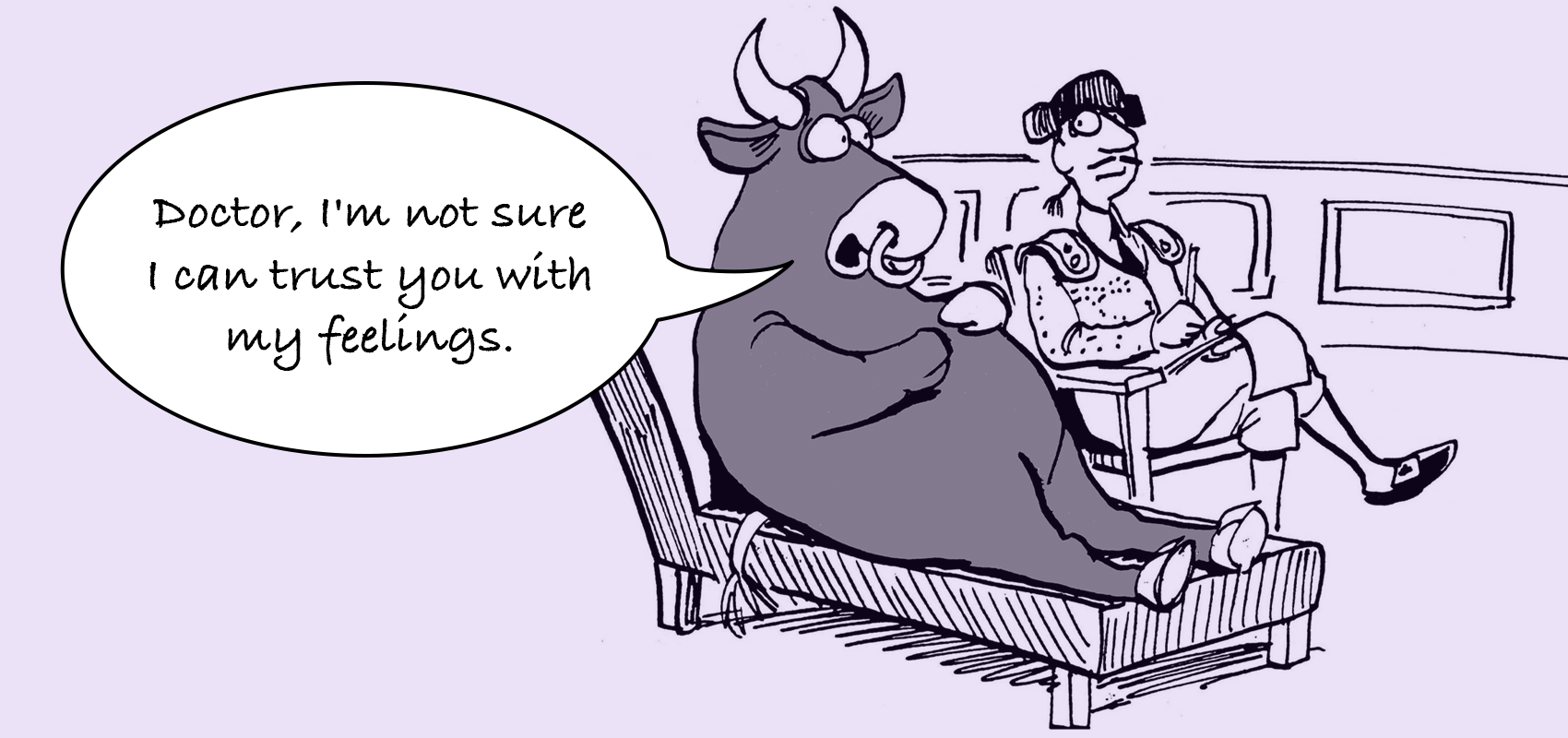
Mind.org.uk sum it up very well on their website: regardless of what kind of talking therapy they practise, if you don’t like or trust your therapist as a person, you’re less likely to feel able to open up to them and less likely to have a positive experience.
This has been demonstrated consistently by many hundreds of research studies for more than forty years. It makes no difference what issues the clients are working on, where they live, whether therapy is face-to-face or online, the approach used by the therapist or how you measure success… the quality of the working relationship between therapist and client, (often called the ‘working alliance’), makes a significant contribution to the results clients get from the process.
So how do therapists create a positive relationship with their clients?
As usual when you start to read published research studies, you realise ‘it’s complicated’ because every researcher has their own angle, (if you don’t believe me, take a look these two links:
https://psycnet.apa.org/fulltext/2018-23951-001.pdf and
https://www.apa.org/monitor/2019/11/ce-corner-relationships
However, certain themes keep coming up again and again, (i.e. things therapists DO that seem to be associated with positive outcomes for clients), so I’ve summarised them for you here:
#1 Maintain a warm emotional bond with the client, for example by:
- Showing they are genuinely concerned for the client’s welfare and want the best for her
- Listening carefully – with a reassuring and supportive manner – and leaving space for the client to share everything she needs to say
- Being genuine and authentic, (i.e. not being fake)
- Showing empathy, support and acceptance of the client as a person – regardless of what she says or does – because they can understand situations from the client’s perspective and ‘feel for her’ even if they’re very different as people
- Repairing the relationship effectively if there’s a disagreement about how to move forward or if something happens to disrupt the bond. (This reminds me of John Gottman’s research in the context of marriage which shows that couples who stay together happily are able to sort things out after an argument and draw closer again)
#2 Create a feeling of safety and trust, for example by:
- Offering a safe space where the client knows she can share her thoughts, emotions and painful experiences openly, without fear of being judged or shamed. (This is really important if the client has been judged or criticised a lot in the past and/or if she’s really self-critical)
- Respecting the client’s confidentiality
- Being dependable – which includes showing up on time and doing what they promise
- Responding to the client’s individual needs and tailoring the approach so that it works for the client
The combination of these two factors makes it so much easier for the client to be open and honest with the therapist and to be her authentic self, rather than self-censoring, putting on a brave face or trying to ‘say the right thing’. This is especially important if you’re a people pleaser or a perfectionist. As a client, it’s vital to be able to share whatever pops into your mind without filtering it… because it’s often these spontaneous new insights or blurted out emotional comments that produce the ‘light bulb moments’ that help us take a leap forward in therapy.
#3 Build mutual collaboration and partnership, for example by:
- Agreeing on the client’s goals for the therapy, early on in the process, and what the therapist and the client will each do to help achieve them. (Some clients have a clear idea of what they want to get out of therapy but others just know they’re feeling bad and need help turning things around. So if the therapist can help them clarify the positive changes they want, that can be an empowering first step)
- Client and therapist working together as a team. The therapist isn’t the expert who has all the answers but is there to provide support and insight and act as a guide… while the client explores their issues and finds their own solutions. So it’s an equal partnership built on mutual respect.
- Encouraging the client to express her needs and opinions and give feedback to the therapist if there’s something she doesn’t like during the therapy sessions. (Doing this and getting a positive response in this safe setting can empower the client to communicate assertively in other relationships)
- Going at the client’s pace and checking in regularly to make sure the client is happy with the progress they’re making
So now let’s go back to those three fundamental questions I think we should ask ourselves when choosing a therapist:
- Do I like you?
- Can I trust you?
- Are we equal partners?
If the answer to all three is a definite “Yes”, then the therapist could possibly be the right one for you and can ‘go through to the next round’. But if the answer to any of these questions is ‘No” or even “Not sure” then for me it’s a deal breaker and it’s time to go back to the drawing board.
Shouldn’t all therapists behave this way with their clients?
Sadly, there are massive differences in how well individual therapists can fulfill these three fundamental requirements for their clients. In fact, some recent research suggests that a lot of therapists can’t even get on the same page as their clients in terms how well they believe their therapeutic relationship is working… especially where they have different or non-complementary attachment styles.(https://pubmed.ncbi.nlm.nih.gov/30091622/)
Do you remember identifying your attachment style in PART 2 and thinking about the implications for your romantic relationships? My advice to women who are working through the unbreakyourheart process is usually to look for a partner with a SECURE attachment style because, typically, they’ll be more balanced and comfortable with themselves and better able to deal with any relationship insecurities and emotional wobbles you may have along the way.
It turns out this may be good advice when choosing a therapist too. If you have an ANXIOUS attachment style it’s a good idea to steer clear of a therapist who seems high on AVOIDANCE (and vice versa). Whereas a therapist who has a SECURE attachment style, (i.e. low ANXIETY and low AVOIDANCE), could find it easier to adapt to your attachment needs – whatever they are – because their own needs won’t be getting in the way.
So if you have an ANXIOUS attachment style, they’ll be able to offer you lots of reassurance and make you feel safe… and if you have an AVOIDANT attachment style, they’ll recognise that you need to maintain a comfortable emotional distance for a while and hopefully they’ll take it easy with those “How does that make you FEEL?” questions that therapists often love, until you’re ready to open up. Which means you’ll be able to concentrate on ‘doing you’ without having the additional complication of having to manage your therapist.
If you have a SECURE attachment style it may be less of an issue, but you’ll probably find it more relaxing working with a therapist who is also SECURE.
So how will you know a potential therapist can meet your attachment needs?
You may well pick this up instinctively, just by noticing how relaxed or tense you feel in the therapist’s company in the early stages. For example, how easy is it to open up to them? And how warm and accepting do they seem… even if you get upset or need a lot of reassurance? Can you just be you or do you find yourself trying hard to win the therapists approval or justify yourself? How good is the therapist at ‘taking the hint’ and allowing you to open up in your own time or take as long as you need to process something?
Remember… don’t ignore your personal reactions to the therapist because the evidence is clear:
So if the therapeutic relationship isn’t working and you can’t say ‘Yes’ to those three key questions, you should raise it with your therapist and explain what’s not right. And if they don’t fix it quite soon and allow you to relax, (especially if you have an ANXIOUS attachment style) it’s OK to respectfully walk away and find someone who’s a better match for you… just like in a romantic relationship.
In the next section, A few personal experiences of therapy – and a list of my red flags, I’ve shared with you my own personal wish list when it comes to choosing a therapist to work with… in case it gives you some food for thought.