Going Deeper:
How emotionally charged experiences are
fast-tracked into our long-term memory
If you’d like to delve deeper into this topic, here are a few research findings, videos and references I found especially helpful when I was investigating this area.
Some of the most interesting findings came from the work of Professor Danny KahnemanAnd here’s some information about his 2011 book, ‘Thinking Fast and Slow: http://en.wikipedia.org/wiki/Daniel_Kahneman and we’ll find out about his work and discover how useful it can be when we get to PART 4: YOUR RELATIONSHIP WISHLIST – especially his findings about how IRRATIONAL most people are when they make decisions. But one of the most interesting and accessible sources I’ve found so far is an interview with Joseph LeDoux In this fascinating interview Professor LeDoux explains how emotion amplifies memory: https://bigthink.com/videos/big-think-interview-with-joseph-ledoux-2/ , Professor of neuroscience and psychology at New York University.
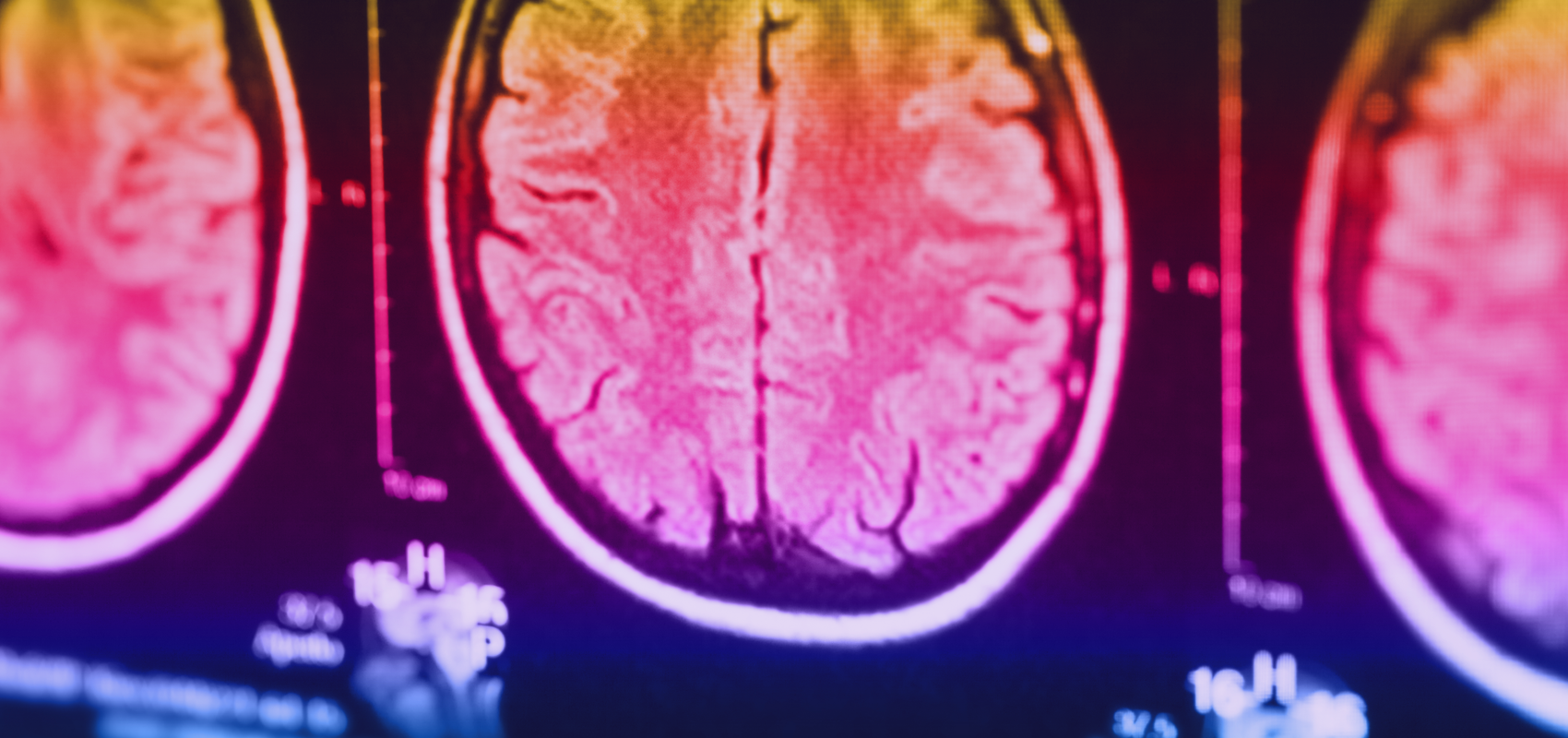
Our amygdala helps us remember emotional experiences
Recent developments in neuroscience have shed more light on HOW the presence of strong emotion affects our brain, using fMRI scans of brain activity. For example, in a number of studies, scientists scanned people’s brains while they were looking at emotionally charged film clips and photos, and measured the activity in their amygdala (a part of the brain that triggers emotional responses).
Their results showed that the more activity there was in the amygdala while people were looking at this emotional material, (i.e. at the encoding stage), the more accurately they remembered the material after a delay. This research seems to confirm that the amygdala helps us prioritise experiences that are emotionally charged at the encoding stage and then fast track them into our long-term memory.
Stress hormones can also boost our memory
Our stress hormones also seem to be heavily involved in helping us remember emotional experiences. Let’s have a little demonstration…
Step 1 – Stop and think about the last time you felt really stressed – when maybe you were nervous, afraid or under pressure. As you get back in touch with that time and how you were feeling, what sensations are you aware of in your body?
Step 2 – Now think about a time you were really excited because you were looking forward to something – maybe you were getting ready to go on a big date, on your way to a really exciting event or arriving at your holiday destination. As you get back in touch with that moment and how you were feeling, what sensations are you aware of in your body?
In fact, although your attitudes and emotions were quite different, the physical sensations were probably pretty similar – maybe your heart was beating faster, your palms were sweating or your stomach was doing somersaults. This is because, when something makes us feel excited OR stressed, our brain sends messages to our body to get ready to react – and a key part of this preparation is triggering the release of two stress hormones, both of which are associated with the ancient fight-or-flight response.
- Cortisol is the hormone that helps us focus our attention on important aspects of a complex scenario rather than getting distracted by peripheral details and
- Epinephrine (also known as adrenaline) prepares our body to take action – for example getting us ready to move or react quickly.
And it seems as though the messages between the body and the brain go both ways – not only does our brain ‘instruct’ our body to get ready to act but the fact that our body is ‘feeling emotional’ and in a state of high alert instructs the brain to pay extra attention and remember what’s going on. So when those stress hormones are released, it has a big impact on the areas of the brain that encode and consolidate information and pass it into our long-term memory storage.
This is demonstrated by a series of experiments by Paul Zak, which I described when we were looking at empathy earlier in PART 2. During these experiments, Zak took blood samples and found that people’s levels of cortisol rose when they were listening to stories that had a high emotional content but didn’t rise when they were listening to stories that were neutral in terms of emotion… So it seems that cortisol is important in helping us focus and pay attention when emotional events are taking place so we will remember them later.
This is reinforced by another research findinghttps://www.nature.com/articles/nrn1825 that, if either cortisol or epinephrine is injected directly into our body just after an event, they improve our long-term memory for that event. It makes me wonder whether this is why my old schoolteachers used to terrify us pupils… to increase our stress hormones so we remembered what they were teaching!
But an overdose of stress hormones can mess up our memories
Various studies show that, although short bursts of cortisol and epinephrine enhance our ability to encode and consolidate new memories, if these hormones remain at high levels for a long time (for example if we’re going through prolonged periods of high stress), our ability to retrieve all kinds of memories, (whether recent or distant), is adversely affected, as in the case of burn out or PTSD. If you’ve been through an extended period of stress, and found it harder to remember things for a while, you’ll know what I mean.
I believe this could be a survival mechanism… our unconscious mind might suppress painful memories for our own protection while we’re under pressure, to avoid overloading us. I’ll explain more when we look at how our Emotional Baggage is formed.
In contrast, it’s much easier to recall past experiences, including our very earliest memories, when we’re feeling calm… especially when we’re seriously relaxed, as we’ll find out in PART 3: UNBREAKYOURHEART FOR GOOD.